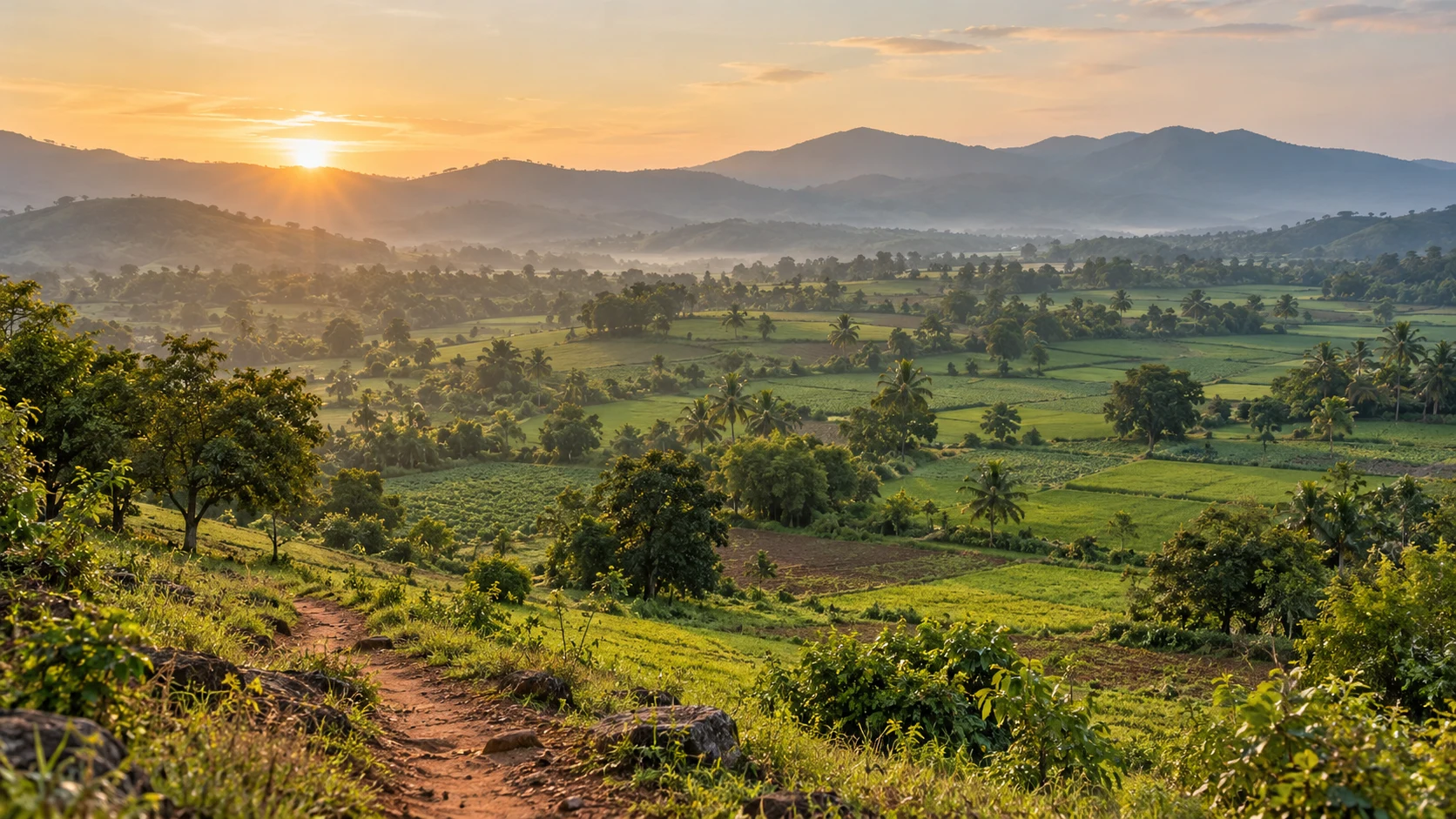
Land suited to growing
Evaluate soil quality, local climate, access and the suitability of the land for the community’s cultivation goals.
Land for Farming
Own farmland with a community. Connect with food, soil and the people who grow it, with support from the first search to ongoing care.
The possibility
You do not have to know how to farm to want a closer connection with food and land.
Ekaah brings together people who want to own farmland and participate directly or through supported cultivation. A larger parcel can offer a better negotiated price per acre. Shared expertise and agreed management services help members take part at a level that fits their lives.
Understand the Ekaah approachDesigned around the community
Each farming project defines its cultivation model, responsibilities and costs before members proceed.
Evaluate soil quality, local climate, access and the suitability of the land for the community’s cultivation goals.
Assess water availability and the practical needs of the intended crops as part of choosing a location.
Legal teams verify title and papers, and explain project-specific findings and purchase eligibility.
Coordinate with owners and brokers to negotiate price and terms, then support the purchase and registration process.
Define cultivation, land development and management so members understand how their farm will be cared for.
Agree maintenance, security and common services, with a clear method for dividing the associated expenses.
Could this be your community?
Different reasons for joining can lead to a shared commitment: to own land responsibly and stay connected to what it grows.
A deeper connection
Buying and caring for farmland can bring spending into the rural economy and create work for local growers, workers and suppliers. Ekaah’s intention is to help members participate in better food production while developing a lasting relationship with the place.
A farming project should explain the complete costs and the assumptions behind any cultivation or income projections. Harvests, future land values and protection from inflation are not assured.
Experience is not essential to express interest. Farming projects should explain the support available, the cultivation model and the level of involvement expected from members.
Learn moreThe project’s cultivation plan should explain how crops are selected, managed and distributed, and whether members have access to produce. Availability depends on the agreed model and actual harvests.
That is one of the aspirations Ekaah seeks to support. Each project should specify managed cultivation, opportunities to participate and what members are expected to contribute.
Construction depends on the location, land classification, applicable permissions and project terms. A future retirement goal should be discussed early so the site assessment considers it.
The next step is a conversation
Tell us what you want from land. We’ll begin with your aspirations, then bring together people who share them.
Explore project concepts that include farming, sometimes alongside other ways of living with land.
Explore farming projects